The Secrete is here!
Nestled high in the Karakoram mountains of Pakistan, the Hunza Valley has captured global attention for its residents’ remarkable longevity and vibrant health well into their 90s and beyond. For health enthusiasts, nutrition seekers, and anyone curious about natural wellness secrets, the Hunza people’s traditional diet offers fascinating insights into how simple, whole foods can transform your wellbeing.
The Hunza secret lies in their centuries-old dietary practices centered around organic dry fruits, pure mountain honey, nutrient-rich homemade preserves, powerful medicinal herbs, and traditional oils. These aren’t just foods – they’re medicine that has sustained generations of Hunza people in one of the world’s most challenging environments.
In this guide, we’ll explore the geographic and cultural foundations that shaped these longevity practices, dive deep into how organic dry fruits form the backbone of Hunza nutrition, and uncover the healing properties of their pure honey that has remained unchanged for generations. You’ll discover practical ways to incorporate these time-tested Hunza dietary secrets into your own life for better health and vitality.
Unlock the Power of Dry Fruits in the Hunza Diet
Discover why apricots are considered the cornerstone of longevity
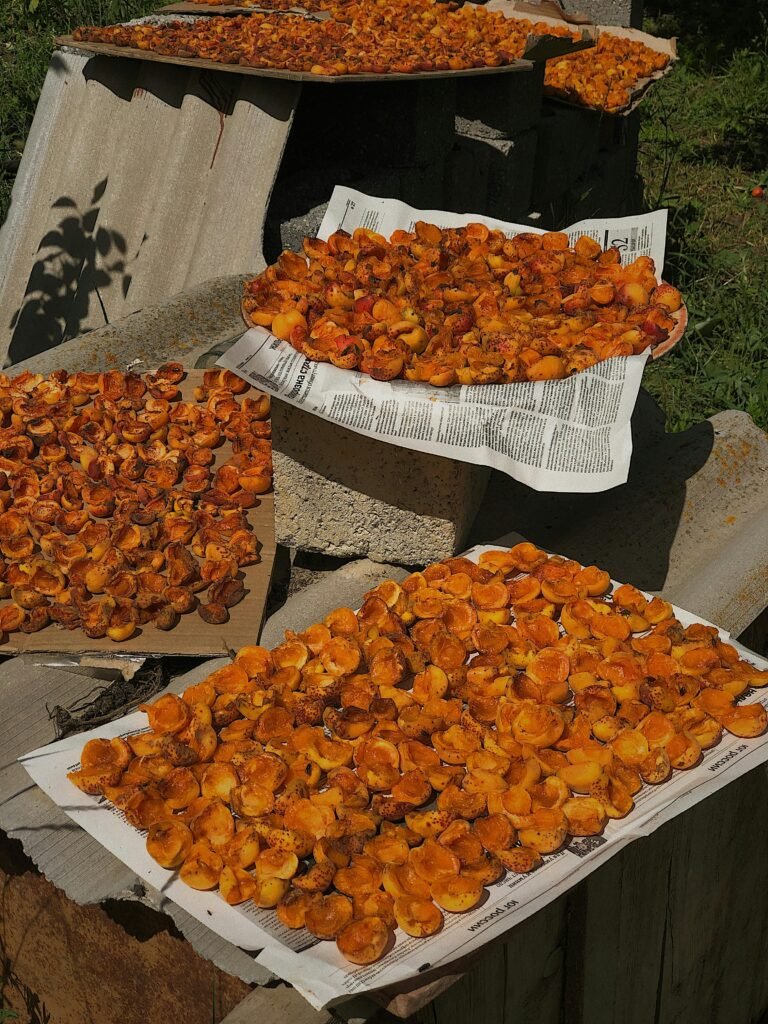
The golden apricots of Hunza Valley serve as the foundation of this remarkable community’s exceptional health and longevity. These organic dry fruits contain an extraordinary concentration of beta-carotene, which the body converts into vitamin A for cellular repair and immune system support. Fresh apricots are carefully dried using traditional sun-drying methods, preserving their nutrient density while extending shelf life throughout harsh mountain winters.
Hunza apricots differ significantly from commercial varieties. They contain higher levels of amygdalin, a compound found in the kernels that many researchers believe contributes to cancer prevention. The residents consume both the dried fruit and the oil extracted from apricot kernels, creating a comprehensive nutritional profile that supports cardiovascular health and reduces inflammation.
The drying process concentrates natural sugars while maintaining essential minerals like potassium, iron, and copper. These minerals play crucial roles in maintaining healthy blood pressure, supporting oxygen transport, and facilitating proper enzyme function. The fiber content in dried apricots also promotes digestive health and helps regulate blood sugar levels.

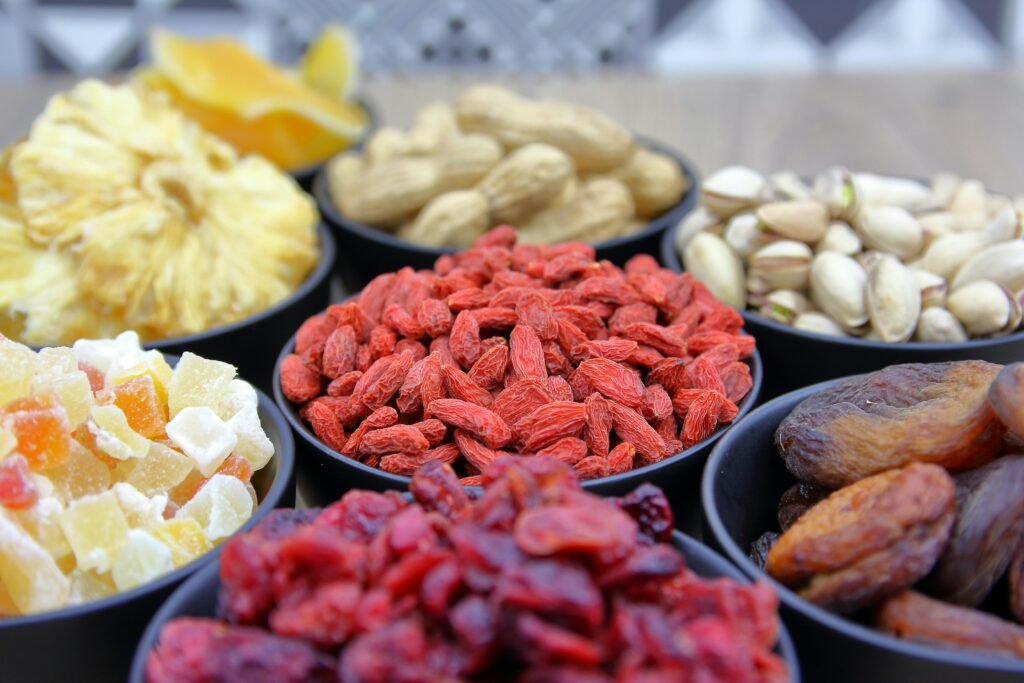
Learn how almonds and walnuts provide essential healthy fats
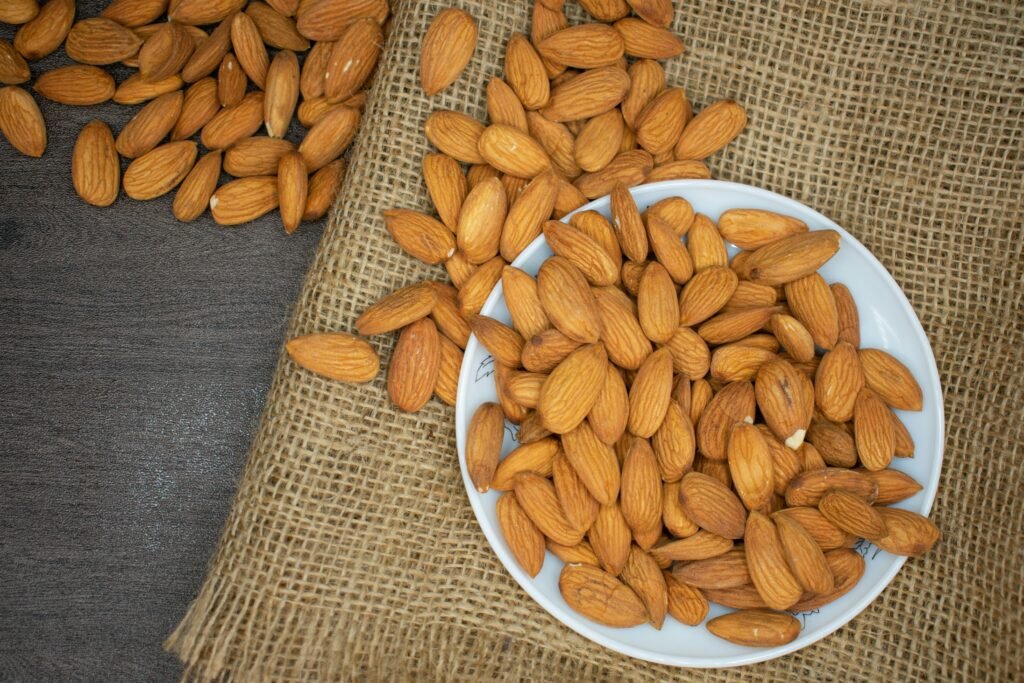
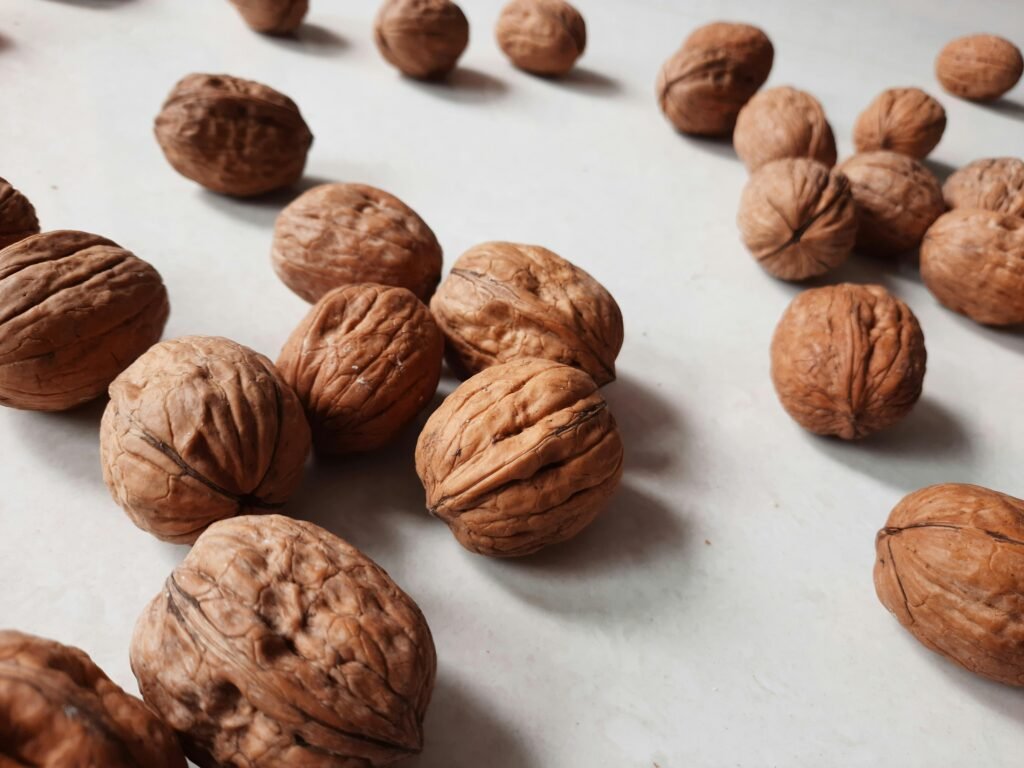
The nuts cultivated in Hunza Valley represent nature’s perfect source of omega-3 fatty acids and monounsaturated fats. Wild almonds and walnuts grown in the pristine mountain environment develop unique nutritional profiles that surpass their commercial counterparts. These nuts undergo minimal processing, retaining their natural oils and fat-soluble vitamins.
Walnuts from the region contain exceptionally high levels of alpha-linolenic acid (ALA), an omega-3 fatty acid that reduces inflammation and supports brain health. The traditional practice involves harvesting nuts at peak ripeness and storing them in cool, dry conditions that preserve their beneficial oils. This careful handling prevents rancidity and maintains the delicate balance of nutrients.
Almonds provide vitamin E, magnesium, and healthy monounsaturated fats that support heart health and cognitive function. The combination of protein and healthy fats creates sustained energy release, helping maintain stable blood sugar levels throughout the day. Hunza residents typically consume these nuts raw or lightly roasted, maximizing their nutritional benefits.
Explore traditional methods of fruit preservation and storage
The preservation techniques used in Hunza Valley represent centuries of refined knowledge passed down through generations. Solar drying remains the primary method, utilizing the intense mountain sun and dry air to remove moisture while preserving nutrients. Fruits are spread on woven mats and placed on flat rooftops, where they receive maximum sun exposure and natural air circulation.
Traditional storage methods involve using wooden containers and clay vessels that allow for proper air circulation while protecting dried fruits from moisture and pests. These containers are often lined with specific herbs that provide natural preservation properties and enhance flavor profiles.
The timing of harvest plays a crucial role in the preservation process. Fruits are picked at optimal ripeness when sugar content peaks and nutritional density reaches maximum levels. This careful timing ensures that dried fruits retain their natural sweetness without requiring additional preservatives or processing aids.
Underground storage chambers carved into mountainsides provide consistent cool temperatures for long-term preservation. These natural refrigeration systems maintain stable humidity levels and protect stored foods from temperature fluctuations, ensuring that organic dry fruits remain nutritious and flavorful throughout the year.
The people of Hunza Valley have cracked the code to living long, healthy lives, and their secret lies in the pure, natural foods they’ve been eating for generations. From nutrient-packed dry fruits and raw honey to medicinal herbs and traditional oils, every element of their diet works together to fight aging and disease. Their homemade jams and preserves aren’t just delicious treats – they’re powerful health boosters that keep their bodies strong well into old age.
You don’t need to move to a remote mountain valley to tap into these longevity secrets. Start small by swapping processed snacks for organic dry fruits, choosing raw honey over refined sugar, and adding traditional herbs and oils to your daily routine. The Hunza people have shown us that the path to a longer, healthier life isn’t found in expensive supplements or complex diets – it’s hiding in nature’s simplest, most powerful foods.